
A glimpse into the ADHD brain in the educational escape room ‘ADHD Escape’
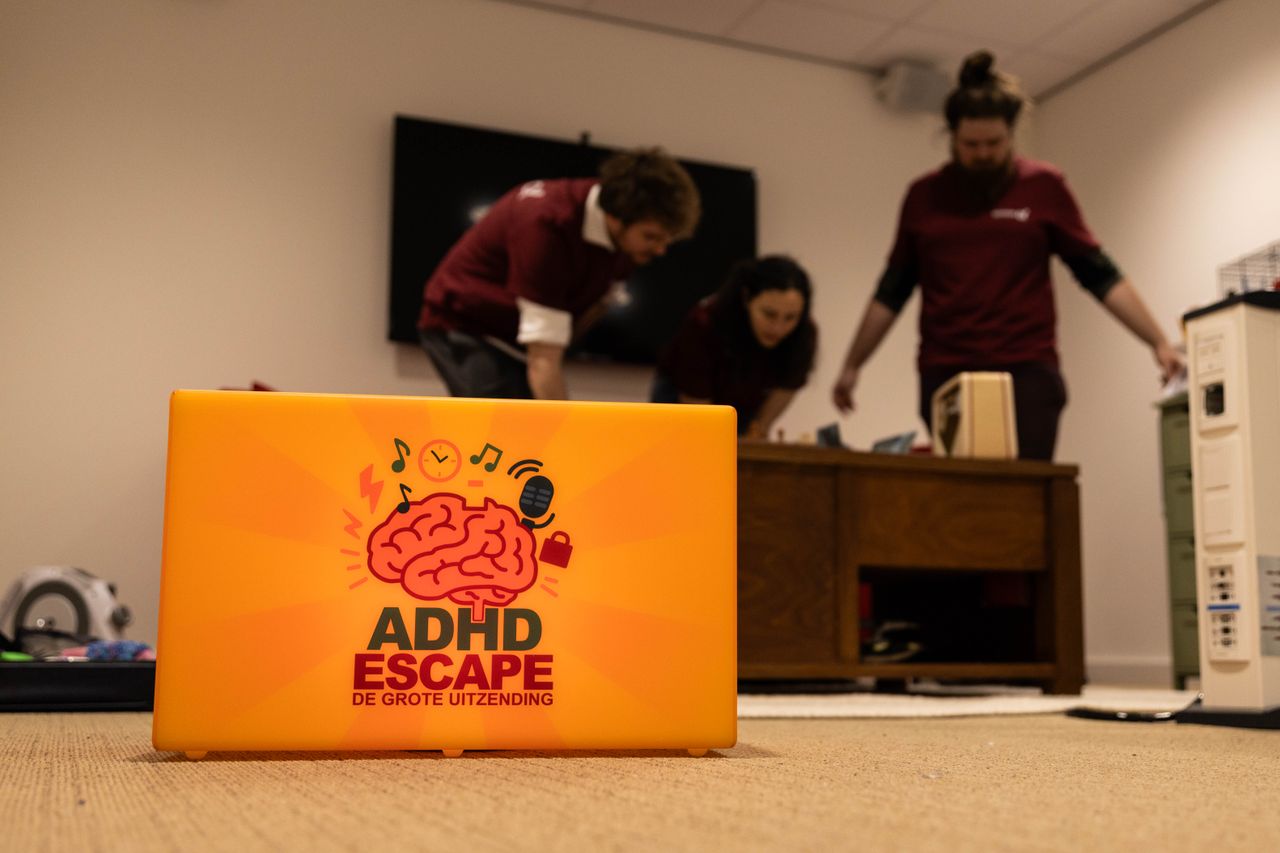
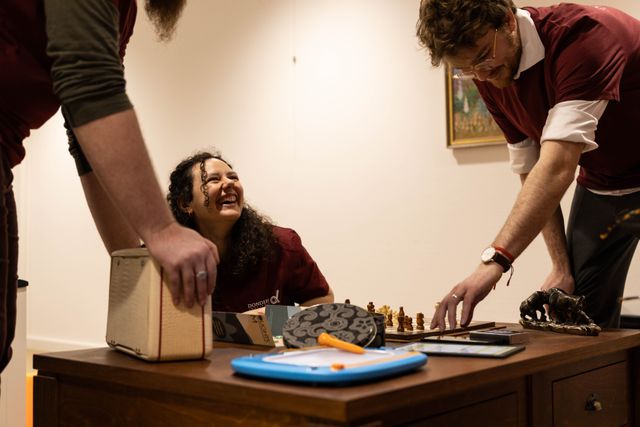
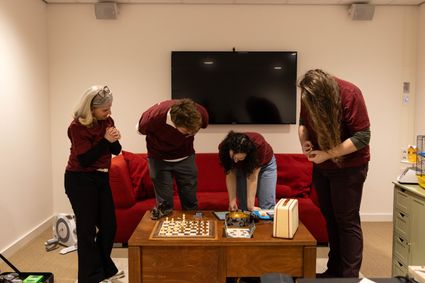
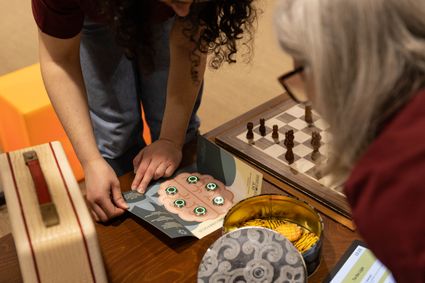
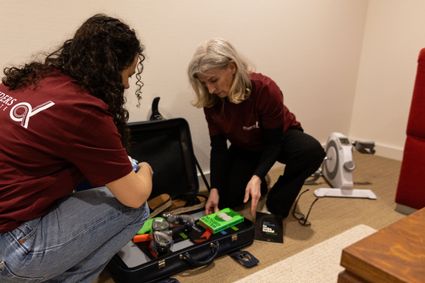
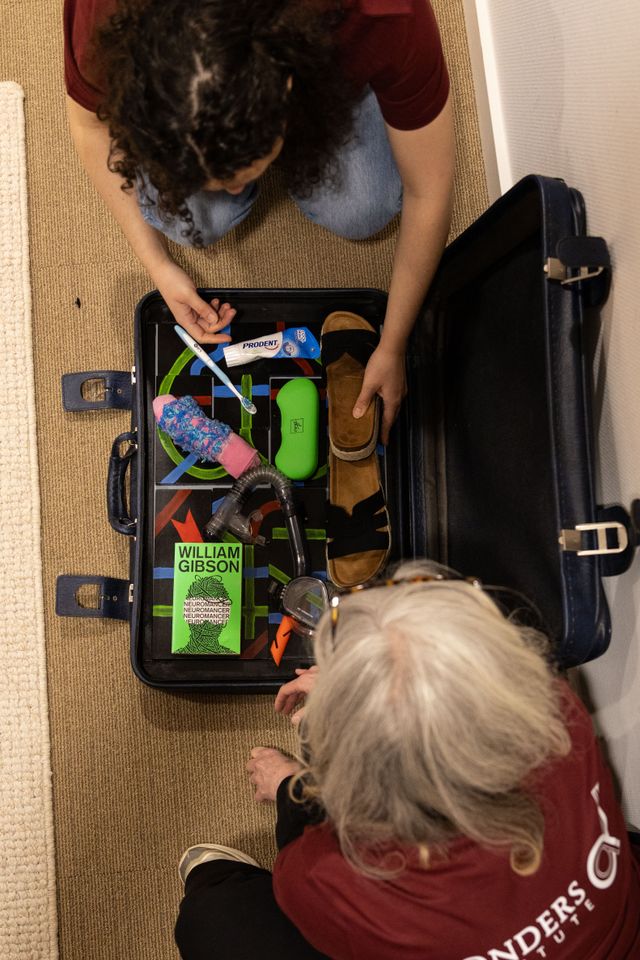
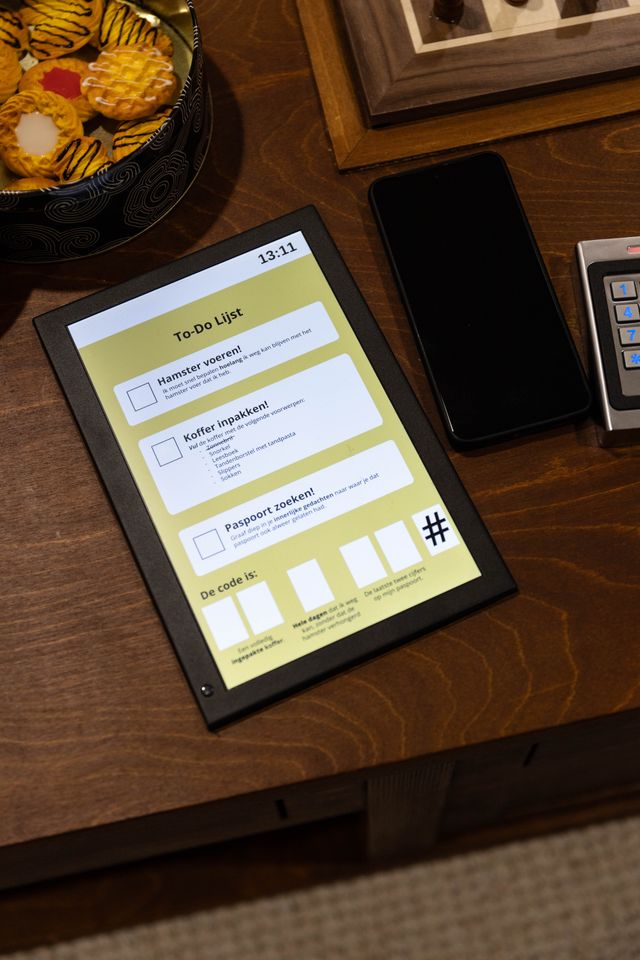
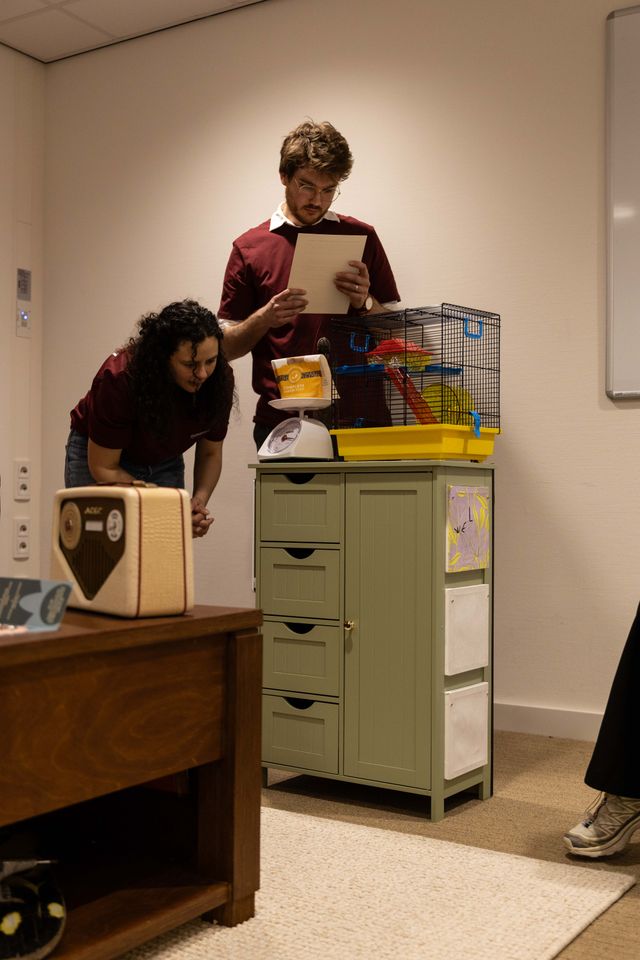
Stuff is strewn everywhere, streams of thought are jumbled together and notifications keep popping up on the tablet. At the same time, the radio is constantly broadcasting ADHD-FM. In short: chaos! And now try to tick off your to-do list before you head off on holiday in a moment. Step into the world of someone with ADHD in the educational escape room ‘ADHD Escape – The Big Broadcast’. Last week, this experience was available at the youth square during the Vierdaagsefeesten. The aim of the escape room is to foster greater understanding of a brain that works just a little differently from most people’s – with both challenges and strengths.
Beyond the prejudices
There are still many misconceptions about ADHD. Young people with ADHD, in particular, regularly face a lack of understanding from those around them. Researchers from Radboudumc and the Donders Institute for Brain, Cognition and Behaviour want to change this by introducing visitors, in a playful way, to the everyday reality of someone with ADHD. In this way, they hope to foster greater understanding among the people around them, such as parents, teachers and peers.
The idea originated with researcher Martine Hoogman, who has been conducting research into ADHD for over twenty years. Together with Jeanette Mostert and Yvonne Kuipers from the Donders City Lab, she set up an Honours Lab at Radboud University. Students were tasked with developing a prototype for an educational escape room about ADHD.
One of the students who took part in the project was Josje Meesters. Although she is studying psychology, she actually knew very little about ADHD beforehand. “To be honest, my main thought was: ‘hyperactive’,” she says with a laugh. During the Honours Lab, she discovered that ADHD is much broader than that. She learnt that ADHD falls under the umbrella term ‘neurodiversity’, just like autism and dyslexia, for example. She also discovered that ADHD often manifests differently in girls than in boys. “That actually makes perfect sense, but I’d never really thought about it before.”
More than just problems
Whilst Hoogman initially sought to better understand ADHD from a biological perspective at the start of her career, her perspective has shifted somewhat in the years since. Through her collaboration with patient organisations, she realised that people with ADHD needed something different: more focus on the positive aspects. “If you only focus on one part of the whole picture – the problems people experience – you can never fully understand what ADHD is,” she explains.
According to Hoogman, understanding one’s positive traits can help people choose a course of study or a job that suits them better, or explain their behaviour to a partner or colleagues. After all, if people are unaware of their strengths or fail to make the most of them, they miss out on opportunities. What’s more, understanding these positive aspects can help boost self-confidence. “Many people with ADHD spend their whole lives mainly hearing about what they’re not good at. Striking a bit of a balance can really improve their quality of life.” That quest for greater balance was therefore the starting point for the escape room.
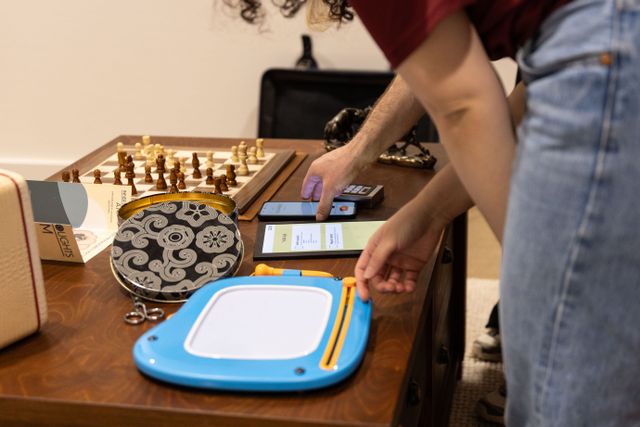
“With this escape room, we wanted to move away a little from the idea that ‘you have a disorder’,” explains Josje. That’s why the positive aspects of ADHD are given a prominent place in the escape room. Positive traits often associated with ADHD include enthusiasm, creativity, empathy, sociability and thinking outside the box. Art and creativity also feature prominently in the escape room. It’s no coincidence that ADHD is often linked to professions where creative thinking plays a key role, such as artists and comedians. At the same time, Hoogman emphasises that ADHD manifests itself differently in everyone. “We specifically want to avoid creating new stereotypes.”
The quest for balance
However, the escape room does not focus solely on the positive aspects. Hoogman believes it is important to maintain that balance. “People with ADHD do face real challenges in their daily lives, and we mustn’t forget that. Otherwise, it wouldn’t be something for which people seek help. The fact that I focus on one aspect doesn’t mean I’m not concerned with the other.” That is why students with ADHD were also involved in developing the escape room. Their experiences served as a key source of inspiration for the challenges and the storyline. Hoogman explains that this is now the prevailing trend in academia: involving the target group in the research ensures higher quality and a better reflection of reality. According to Hoogman, the escape room does not need to fully reflect everyone’s personal experience either. “That’s not possible, of course. But if it does provide an opportunity to reflect on the issue for a moment and can serve as a catalyst for discussion, I think that’s a win in itself.”
The power of different minds
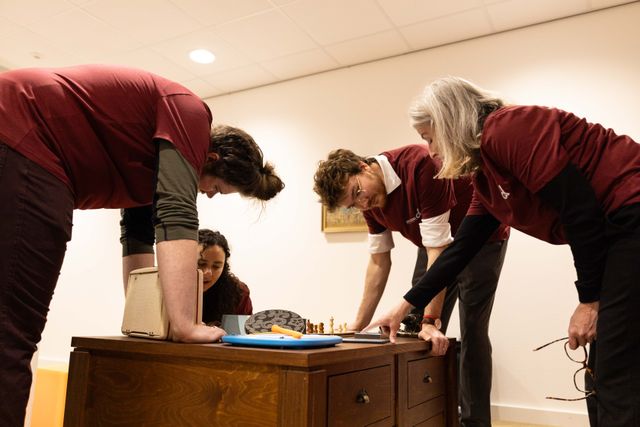
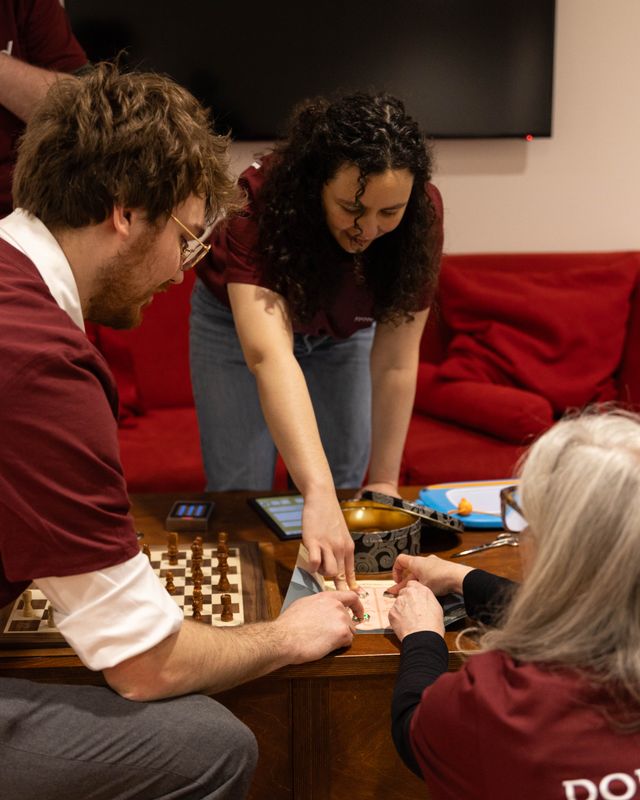
The developers of the escape room made a striking discovery: groups in which people with and without ADHD worked together performed better than groups consisting solely of people with ADHD or solely of people without ADHD. “That actually reflects society very well,” says Meesters. “You need all kinds of minds.” Perhaps that is the escape room’s most important message: different ways of thinking coexist and can actually reinforce one another. Ultimately, the escape room isn’t just about escaping, but above all about stepping into the world of someone with ADHD for a moment. Hopefully, you’ll walk out with a little more understanding of a different kind of brain.
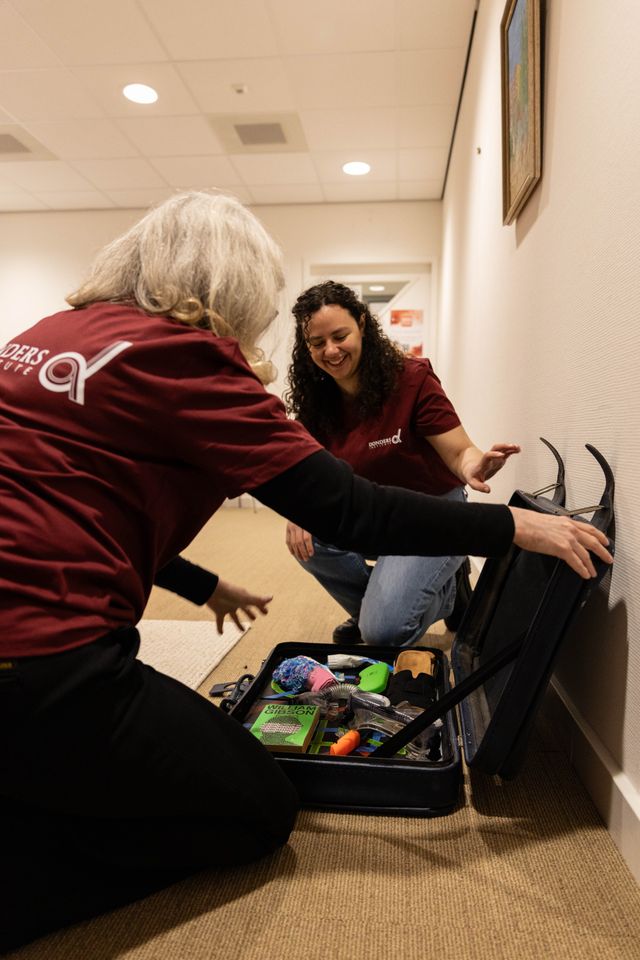
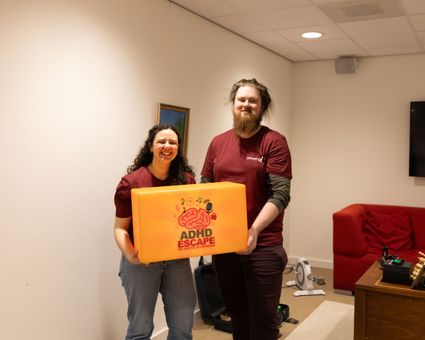
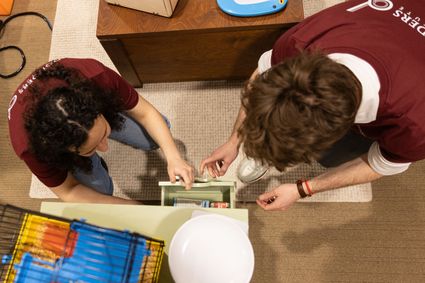
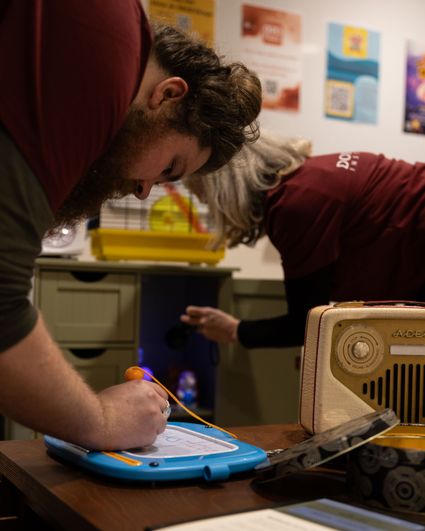
ADHD Escape – The Big Broadcast
The first version of the escape room was built at the Donders City Lab in the Latijnse School in Nijmegen. Thanks to a grant from the National Science Agenda and partnerships with organisations including The Great Escape, Impuls & Woortblind and ROC Nijmegen, the project was able to be further professionalised. The organisers are still looking for a permanent venue, but also want to take the installation on tour to schools, businesses and festivals.
Keep an eye on the website to stay up to date with the next opportunities to play the escape room.